Posted by Petter Leo
Filed in Other 7 views
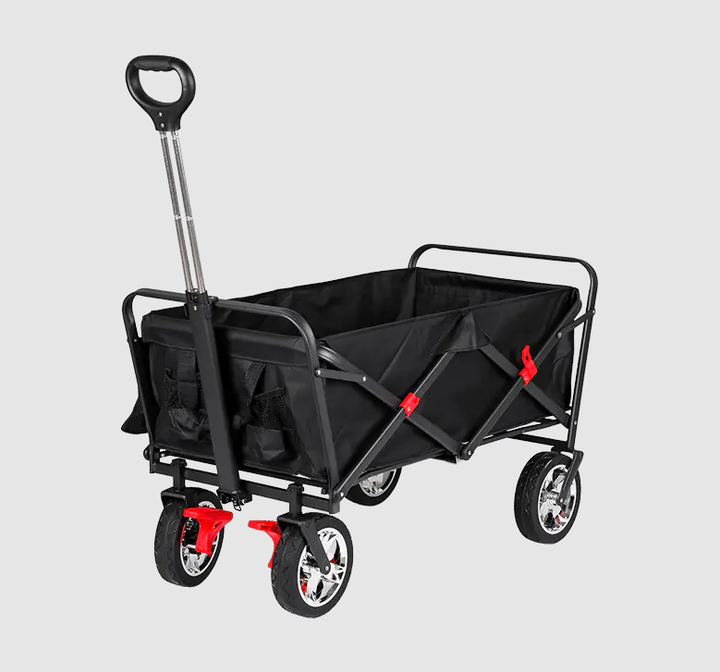
Outdoor leisure products have become a familiar presence in parks, backyards, campsites, and coastal areas. Their rising visibility reflects a broader shift toward spending more time outside, not only for recreation but also for personal renewal. People seek moments away from screens and enclosed rooms, and outdoor leisure products help transform open environments into comfortable, usable spaces.
Many individuals now organize their weekends around outdoor routines. Folding chairs, portable tables, shade structures, picnic accessories, and mobile storage units allow people to create temporary setups wherever they choose to pause. Outdoor leisure products bring structure to open-air experiences, making them easier to plan and more enjoyable to maintain. A simple grassy area can turn into a reading corner, a casual dining spot, or a social gathering place.
Material choices play a key role in the appeal of outdoor leisure products. Durable fabrics, treated metals, and weather-resistant plastics support repeated use across changing conditions. These materials reduce maintenance effort and allow products to remain functional after exposure to sun, moisture, or light debris. Consumers often value items that remain reliable across seasons, rather than items intended for limited occasions.
Design has also shifted toward portability and storage efficiency. Many outdoor leisure products now fold, stack, or collapse, supporting compact storage in apartments, vehicles, or storage rooms. This approach fits urban living patterns where space remains limited. Lightweight construction paired with stable structures allows users to move items without strain, supporting spontaneous trips or short outdoor breaks.
Social interaction is another factor driving interest in outdoor leisure products. Families use shared outdoor setups for meals and games, friends gather around temporary seating areas, and community spaces host informal events. Products designed for group use encourage conversation and shared activity. They also help define personal zones in public areas, offering comfort without isolating participants.
Outdoor leisure products are no longer restricted to traditional leisure scenarios. Many people now use them during remote work sessions, creative projects, or quiet reflection. A portable chair under a tree or a compact table near water supports activities that benefit from fresh air. This flexibility has expanded the role of outdoor products beyond entertainment into daily routines.
Environmental awareness has influenced purchasing decisions as well. Reusable outdoor leisure products reduce reliance on disposable items during outings. Long service life supports reduced replacement frequency, aligning usage habits with sustainability goals. Consumers often favor products that balance practicality and responsible resource use.
Seasonal adaptability remains important. Outdoor leisure products designed for layered use or adjustable configurations support comfort across varying temperatures. Removable covers, adjustable frames, and modular components allow users to adapt setups without replacing entire systems. This adaptability adds long-term value.
In essence, outdoor leisure products support a lifestyle that values openness, flexibility, and comfort. They help individuals shape outdoor environments according to personal preferences rather than fixed structures.

Inspire creativity, unleash adventure, and foster connections, all while exploring the world! Geostalgia.com is your American Made Social Network. No Billionaire's are involved with the creation of Geostalgia.
